Showing posts with label BIOLOGYGEN. Show all posts

BIOLUMINESCENT ANIMALS

BIOLUMINESCE ORGANISMS

PROTISTA Dinoflagellates (Noctiluca, bioluminescence-noctiluca Gonylaulax, Gymnodinium)
Peridinium, Pyrodinium


also view various types of phobias and their names
RHIZOPODA
Myxosphera, Sphaerozoum

BIOLUMINESCENT FUNGI

Pileus in Panus and Pleurotus sps and fruiting bodies  are bioluminescent mushroomsbioluminescent-mushrooms and mycelium is Clirocybe illudens


BIOLUMINESCENT COELENTERATA

Hydrozoa - Liriope, Rathkea,
Anthozoa - Pennatula bioluminscence-pennatula
Ctenophora - Mnemiopsis
Nemertines - Emplectonema

BIOLUMINESCENT ANNELIDA

- Chaetopterusbioluminscence-chaetopterus

BIOLUMINESCENT ARTHROPODA
Crustacea - Cypridinabioluminscence-Cypridina
Insecta - Lampyris sp., Luciola, Agriotes,
Photurus, Photinus
bioluminescence-Photurus


BIOLUMINESCENT MOLLUSCA

Lamellibranchiata - Pholas
Gastropoda - Triopa
Cephalopoda - Loligo, SpirulaLoligo
ECHINODERMATA
Ophiuroidea – Amphiura
CHORDATA
Enteropneusta - Balanoglossus, Glossobatanus
Tunicata - Salpa, Doliolum
Elasmobranchi - Benotabatis
Teleosti - Photoblepharon, Photostomiasis,
Monoceiris, Linophyme
(Angler fish), Diapus (Lantern fish),
ArgyropelecusArgyropelecus

previous topic discuss about various types of ducts and canals in animals

THREATENED and ENDANGERED PLANTS IN INDIA

ENDANGERED  THREATENED PlANTS of INDIA

As per GREEN DATA BOOK

Atis

Khulanjanthreatened-endangered_plants

Mishmee Teeta

Picotee Dendrobium

Snow Orchid

Lotus

Sarpagandha

Kuth roots

Vacha

Guggal

Angushaga

Keins

Kadu

Indian Podophyllum

Sukad

Brahm Kamal

most threatened endangered animals in india

THREATENED-ENDANGERED- ANIMALS IN INDIA

As Per RED DATA BOOK the following are threatened  and endangered animals in India
 Threatened Amphibians and Reptiles in India
  • Agfa Monitor Lizardthreatened-Endangered-Animals1
  • Atlantic Ridley Turtle
  • Barred, Oval or Yellow Monitor Lizard
  • Crocodiles
  • Gharial
  • Ganges soft-shelled Turtle
  • Green Sea Turtle
  • Hawksbill Turtle
  • Himalayan Newt or Salamander
  • Indian egg-eating Snake
  • Indian Soft-shelled Turtle
  • Indian Tent Turtle
  • Large Bengal Monitor Lizard
  • Leathery Turtle
  • Logger-head Turtle
  • Oliver-back Logger-head Turtle
  • Peacock-marked soft-shelled Turtle
  • Pythons
  • Three-keeled Turtle
  • Tortoise
  • Viviparous Toad
  • Water Lizard
 Threatened Birds in India
  • Andaman Teal
  • Assam Bamboo Partridge
  • Bazas
  • Bengal Florican
  • Black-necked Crane
  • Blood Pheasant
  • Brown headed Gull
  • Cheer Pheasant
  • Eastern White Stork
  • Forest Spotted Owlet
  • Great Indian Bustard
  • Great Indian Hornbill
  • Hawks
  • Hooded Crane
  • Hornbills
  • Houbara Bustard
  • Humes bar-backed Pheasant
  • Indian Pied Hombill
  • Jerdon’ Courser
  • Lammergeier
  • Large Falcon
  • Large Whistling Teal
  • Monal Pheasant
  • Mountain Quail
  • Narcondom Hombill
  • Nicobar Megapode
  • Nicobar Pigeon
  • Osprey or Fish — eating Eagle
  • Peacock Pheasant
  • Peafowl
  • Pinkheaded Duck
  • Scalater’ S Monal
  • Siberian White Crane
  • Spur Fowl
  • Tibetan Snow-Cock
  • Tragopan Pheasant
  • White-bellied Sea Eagle
  • White-eared Pheasant
  • White Spoonbill
  • White-winged Wood Duck
 Threatened  Mammals in India
  • Andaman Wild Pig
  • Bharal
  • Binturang
  • Black Buck
  • Blue Whale
  • Brow-antlered Deer
  • Capped Langur
  • Caracal
  • Catecean species
  • Cheetah
  • Chinese Pangolin
  • Chinkara or Indian Gazelle
  • Clouded Leopard
  • Crab-eating Macaque
  • Desert Cat
  • Dugong
  • Fishing Cat
  • Four-horned Antelope
  • Dolphin (Gangetic)
  • Flying Squirrel
  • Golden Cat
  • Golden Langur
  • Himalayan Ibex
  • Himalayan Thar
  • Hispid Hare
  • Hog Badger
  • Hoolock Gibbon
  • Hump-backed Whale
  • Indian Elephant
  • Indian Lion
  • Indian Wild Ass
  • Indian Wolf
  • Kashmir Stag
  • Leaf Monkey
  • Leopard
  • Leopard Cat
  • Lesser or Red Panda
  • Lion-tailed Macaque
  • Loris
  • Lynx
  • Malabar Civet
  • Malay or Sun Bear
  • Marbled Cat
  • Markhor
  • Mouse Deer
  • Musk Deer
  • Nilgiri Tahr
  • Ovis Ammon or Nyan
  • Palla’s Cat
  • Pangolin
  • Pygmy Hog
  • Ratel
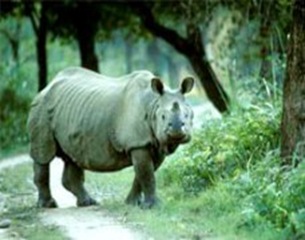
  • Rhinoceros
  • Rusty-spotted Cat
  • Serow
  • Sloth Bear
  • Slow Loris
  • Small Travancore Flying Squirrel
  • Snow Leopard
  • Spotted Linsang
  • Swamp Deer
  • Takinor Mishmi Takin
  • Tibetan Antelope or Chiru
  • Tibetan Gazelle
  • Tibetan Wild Ass
  • Tiger
  • Urial’or Shapu
  • Wild Buffalo
  • Wild Yak
biosphere reserves of India in various locations in india
most threatened and endangered plants in India as
per green data book of national botanical gardens

RESEARCH INSTITUTES IN INDIA

FAMOUS INDIAN BIOLOGICAL RESEARCH ORGANISATIONS

  • Birbal Sahni Palaeobotanical Research Institute, Lucknow, (UP.)research-institutes-india
  • BSI Botanical Survey of India, Calcutta (Kolkata).
  • Beekeeping Station, Department of Horticulture and Fruit Utilization, U.P., Jeolikote, Nainital, UP.
  • Central Potato Research Institute, Shimla.
  • Central Vegetable Breeding Station, Kulu (H.P.).
  • Central Leather Research Institute, Adyar, Chennai-600 020, Tamil Nadu.
  • Central Coconut Research Institute, Kerala.
  • Central Tobacco Research Institute, Andhara Pradesh.
  • Central Avian Research Institute, Izatnagar, Bareilly-243 122, Uttar Pradesh.
  • Central Poultry Breeding Farm, Industrial Area, Chandigarh-160 002.
  • Central Drug Research Institute (C.D.R.I.) Lucknow (UP).
  • Cattle Breeding Research Institute (C.B.R.I.), Hissar (Haryana).
  • Central Public Health Engineering Research Institute, Nagpur.
  • Cholera Research Centre, Calcutta (Kolkata).
  • . Centre for Cellular and Molecular Biology, Hyderabad.
  • Central Institute of Brackish water Aquaculture, 12, Leith Caste Street, Sant home.Chennai
  • Central Marine Fisheries Research Institute, Cochin-682 03 1, Kerala.
  • Central Institute of Fisheries Technology, Matsyapuri, Cochin-682 003, Kerala.
  • Central Institute of Fisheries Education, Jaiprakash Road, Versova, (Mumbai)
  • Central Inland Capture Fisheries Research Institute, (North), West Bengal.
  • Central Food Technological Research Institute, Mysore, Karnataka.
  • Central Institute for Research on Buffalo, Sirsa Road, Hissar-125 001, Haryana.
  • Central Institute for Research on Goats, Makhdoom, Farah-281 12, Uttar Pradesh.
  • Central Sheep and Wool Research Institute, Avikanagar (Malapura)-304 584, Rajashthan.
  • Central Soil and Water Conservation Research Centre, Dehradun, U.P.
  • Centre for Environment Education, Nagpur.
  • Central Research Institute (CR1), Kasauli, Himachal Pradesh (Antiserums are made here).
  • Central Tobacco Research Institute, Rajamundhary (AP).
  • Central Food Technological Research Institute (CFTRI), Mysore, Karnataka.
  • Central Arid Zone Research Institute (CAZRI), Jodhpur, (ajasthan).
  • Central Potato Research Institute (CPRI), Kufri (Shimla).
  • Central Rice Research Institute (CRRI), Cuttack (Orissa).
  • Central National Herbarium (CNH), Sibpur (Calcutta)—Largest Herbarium of India.
  • Department of Ocean Development (Government of India), Mahasagar Bhawan, Delhi
  • Department of Fisheries, Government of Maharashtra, Sassoon Dock, Bombay, Maharashtra.
  • Government Poultry Farm Mehrauli Block, Satbari, New Delhi.
  • Haffkine Research, institute of Pharmacology, Bombay.
  • Home Corporation oflndia, 17, Parabhat Kiran Building, Rajindra Palace; New Delhi-8.
  • Institute of Social and Economic Change, Bangalore, Karnataka.
  • Indian Lac Research Institute, Namkum, Ranchi-834 010, Bihar.
  • Institute of Forest Management, Bhopal, Madhya Pradesh.
  • Indian Grassland and Fodder Research Institute, Jhansi, U.P.
  • Institute of Rural Management, Anand-388 01, Disthct Khera, Gujarat.
  • Industrial Toxicology Research Institute, Lucknow.
  • Indian Council of Agrkultural Research, Krishi J3hawan, Dr. Rajendra Prasad Road,New Delhi-hO 001.
  • Indian Agricultural Research Institute (IARI), Pusa Road, New Delhi.
  • International Network of Feed Information Centres Database, C/o. Fisheries Division,
  • Department of Zoology, Aligarh Muslim University, Aligarh-202 001, Uttar Pradesh.
  • Indian Veterinary Research Institute (IVRI), Izatnagar, Bareilly-243 122, Uttar Pradesh.
  • Khadi and Village Industries Commission, Gramodaya’ Irla Road, Vile Parle (West), Bombay-400 056.
  • Karnataka State Sericulture Development Institute, Bangalore, Kamataka.
  • National Institute of Oceanography, Dona Paula 403 004, Goa.
  • National Institute of Occupational Hea1th Bhubaneshwar.
  • Industrial Toxicological Research Centre, Lucknow, U.P.
  • National Environment Engineering Research Institute, Nagpur.
  • National Research Centre for Camel, Jorbear, Bikaner
  • National Bureau of Animal Resources and Institute of Animal Genetics, NDRI-Campus.
  • National Bureau of Fish Genetic Resources, 24, Pannalal Road, Allahabad-21 1 002, Uttar Pradesh.
  • National Institute of Virology (N.I.V.), Pune.
  • National Institute of Immunology, Nil Campus, JNU-Complex, Shahid Jett Singh Marg,New Delhi.
  • National Research Centre for Yak, Kikamadang, Arunachal Pradesh.
  • National Institute of Immunology, New Delhi.
  • NBRI (National Botanical Research Institute (formerly called NBG), Lucknow.
  • NICD — National Institute of Communicable Diseases, New Delhi.
  • Pollution Control Research Institute, Hardwar, U.P.
  • Salim Ali College of Ecology, Pondicherry.
  • Sugarcane Breeding Institute, Coimbatore. .
  • Taraporevala Marine Biological Research Station, Netaji Subhash Road (Marine Drive),Bombay.
  • ZSI—Zoological Survey of India, Calcutta.
  • Wool and Woollen Export Promotion Council, 612, Shoka Estate, 24,.Barakhamba Road,New Delhi-

SANCTUARIES-NATIONAL PARKS -INDIA2

NATIONAL PARKS-SANCTUARIES IN JAMMU & KASHMIR

  • Dachigam National Park (Srinagar) 
  • Hemis High Altitude National Park (Srinagar)
  • Kishtwar National Park (Srinagar)
national-parks-india
  • Salim Ali National Park
  • Karakoram Sanctuary
  • Gulmarg Sanctuary
  • Nandini Sanctuary
  • Limber Sanctuary
  • Surinsar Mansar Sanctuary + Sanctuaries Karnataka
  • Ansi National Park
  • Bandipur National Park
  • Kudremukh National Park
  • Bannerghatta National Park (Bangalore)
  • Cauvery Sanctuary
  • Nagarhole National Park (Coorg)
  • Pushpagiri Sanctuary
  • Ghataprabha Sanctuary (Belagaon)
  • Ranganathittu Sanctuary (Mysore)
  • Sharavati Valley Sanctuary
  • Shettihalli Sanctuary

NATIONAL PARKS-SANCTUARIES IN KERALA

  • Eravikulam National Park (Idukki)
  • Silent Valley National Park (Palghat)
  • Periyar National Park (Idduki)
  • Nayyer Sanctuary
  • Iddukki Sanctuary (Idukki)
  • Parambikulam Sanctuary

NATIONAL PARKS-SANCTUARIES IN MAHARASHTRA

  • Peppara Sanctuary
  • Nawagaon National Park (Bandra)
  • Pench National Park (Nagpw)
  • - Bar Sanctuary
  • Sanjay Gandhi National Park (Bombay)
  • Chandoli Sanctuary
  • Tadoda National Park (Chandrapura)
  • Chaprala Sanctuary
  • Great Indian Bustard Sanctuary
  • Nagzira Sanctuary
  • Koyna Sanctuary
  • Tansa Sanctuary

NATIONAL PARKS-SANCTUARIES IN MANIPUR

  • Keibul Lamjao National Park
  • (Manipur Central)
  • Siroy National Park (Manipur East) Meghalaya
  • Balphakram National Park
  • Nokrek National Park
  • Siju Sanctuary
  • Baghmara Sanctuary
  • Nongkhyllem Sanctuary

NATIONAL PARKS-SANCTUARIES IN MIZORAM

  • Dampa Sanctuary
  • Fossil National Park
  • BandhavgarhNational Park (Shahdol)
  • : Indravati National Park (Bastar)
  • Kanger Ghati National Park
  • Kanha National Park (Mandla and Balaghat)
  • Panna National Park (Panna)
  • Madhav National Park (Shivpuri)
  • Pench National Park
  • Satpura National Park (Hoshangabad)
  • Sanjay National Park (Sidhi and Surguja)
  • ii Van Vihar National Park
  • Bagdara Sanctuary (Bhopal)
  • Gandinagar Sanctuary
  • Bhairamgarh Sanctuary Ghatigaon-Great Indian Bustard Sanctuary
  • Kerala-Great Indian Bustard Sanctuary
  • Singhori Sanctuary
  • Tamor Pingla Sanctuary
  • Udanti Sanctuary + Sanctuaries

NATIONAL PARKS-SANCTUARIES IN NAGALAND

  • Fakirn Sanctuary
  • Intanki Sanctuary
  • Pulebtaze Sanctuary

NATIONAL PARKS-SANCTUARIES IN ORRISA

  • Simlipal National Park (MayurBhanj)
  • Lakhari Valley Sanctuary
  • Madhya Pradesh
  • Baisipalli (Mahanadi) Sanctuary
  • Balukhand Sanctuary
  • Debigarh Sanctuary
  • Simlipal Sanctuary (Mayurbhanj)

NATIONAL PARKS-SANCTUARIES IN PUNJAB

  • Abohar Sanctuary
  • Bir Moti Bagh Sanctuary
  • Bir Bunnerheri Sanctuary
  • Bir Gurhialpura Sanctuary
  • Harike Lake Sanctuary

NATIONAL PARKS-SANCTUARIES IN RAJASTHAN

  • Desert National Park (Jaiselmer and Badmer)
  • Keoladeo National Park (Bharatpur)
  • Ranthambore National Park (Savai Madhopur)
  • Sariska National Park (Alwar)
  • Mount Abu Sanctuary
  • Jawahar Nagar Sanctuary
  • National Ghana! Sanctuary
  • Sariksha Sanctuary (Aiwar)
  • Ramgarh Sanctuary
  • Van Vihar Sanctuary

NATIONAL PARKS-SANCTUARIES IN SIKKIM

  • Khangchendzonga National Park (Gangtok) + Sanctuaries
  • K Singh Rhododendrum Sanctuary Tamilnadu
  • Guindy National Park (Madras)
  • Marine National Park (Gulf of Mannar)
  • Kalakkad Sanctuary
  • Anamalai Sanctuary
  • Mudumalai Sanctuary (Nilgiris)
  • Pulicar Sanctuary
  • Vedanthangál Sanctuary

NATIONAL PARKS-SANCTUARIES IN TRIPURA

  • Gumti Sanctuary
  • Trishna Sanctuary
  • Roa Sanctuary
  • Sepahijala Sanctuary

NATIONAL PARKS-SANCTUARIES IN UTTAR PRADESH

  • Jim Corbett National Park (National)
  • Binsar Sanctuary
  • Dudhwa National Park (Lakhimpur Kheri)
  • Kedamath Sanctuary
  • Nanda Devi National Park (Chamoli)
  • Rajaji National Park
  • Valleys of Flowers National Park (Chamoli)
  • Chandaphrabha Sanctuary (Varanasi)
  • Hastinapur Sanctuary
  • National Chambal Sanctuary

NATIONAL PARKS-SANCTUARIES IN WEST BENGAL

  • Neora Valley National Park
  • Gorumura Sanctuary
  • Singhalia National Park
  • Ballarpur Sanctuary
  • Sunderban National Park ( Parganas)
  • Jaldapara Sanctuary (Jalpaiguri)
  • Narendrapur Sanctuary
  • Senchal Sanctuary

part one of national parks and sanctuaries India

NATIONAL PARKS-SANCTUARIES IN INDIA

SANTUARIES AND NATIONAL PARKS OF INDIA

NATIONAL PARKS-SANCTUARIES IN ANDAMAN AND NICOBAR ISLANDS

  • Middle Button Island National Park (Andaman)national-park-india

Mount Harriet National Park

  • Marine National Park
  • North Button Island National Park (Andaman)
  • Saddle Peak National Park (Andaman)
  • South Button Island National Park (Andaman)
  • Narcondam Sanctuary
  • Barren Island Sanctuary (Bay of Bengal)
  • North Reef Island Sanctuary (Bay of Bengal)
  • South Sentinel Island Sanctuary (Bay of Bengal)

ANDHRA PRADESH-NATIONAL PARKS-SANCTUARIES

  • Corringa Sanctuary (East Godawari)
  • Kawal Sanctuary (Adilabad)
  • Eturnagarm Sanctuary (Warangal)
  • Kolleru Sanctuary (West Godawari)
  • Kinnersanji Sanctuary (Khammam)
  • Lanjamdugu Sanctuary (Adilabad and Karimnagar)
  • Majira Sanctuary (Medak)
  • Nagarjun Sagar Snsailim Sanctuary (Guntur Kumool)
  • Pakhal Sanctuary (Warangal)
  • Neelapattu Sanctuary (Nellore)
  • Papikonda Sanctuary (East and West Godawari) Arünachal Pradesh
  • Moiling National Park
  • Itanagar Sanctuary
  • Namdapha National Park
  • Lali Sanctuary
  • Pakhui Sanctuary
  • Mehao Sanctuary

NATIONAL PARKS-SANCTUARIES IN -ASSAM

  • Kaziranga National Park (Sinsagar and Nowgong)
  • Barnadi Sanctuary
  • Manas National Park (Barpeta)
  • Garampani Sanctuary + Sanctuaries

NATIONAL PARKS-SANCTUARIES IN BIHAR

  • Palamau National Park (Daltenganj)
  • Dalma Sanctuary
  • Bhimbandh Sanctuary
  • Nagi Dam Sanctuary
  • Hazaribagh Sanctuary (Hazaribagh)
  • Nakri Dam Sanctuary
  • Rajaji Sanctuary

NATIONAL PARKS-SANCTUARIES IN CHANDIGARH

  • Sukhna Sanctuary

NATIONAL PARKS-SANCTUARIES IN DELHI

  • Indira Priyadarshini Sanctuary

NATIONAL PARKS-SANCTUARIES IN GOA

  • Bhagwan Mahavir National Park
  • Bondla Sanctuary
  • Bhagwan Mahavir Sanctuary
  • Cotigao Sanctuary

NATIONAL PARKS-SANCTUARIES IN GUJRAT

  • Bansda National Park (Valsad)
  • Marine National Park (Jamnagar)
  • Gir National Park (Junagarh)
  • Velvadar National Park (Bhavnagar)
  • Dharamgadhra Sanctuary
  • Baroda Sanctuary
  • Nalsarovar Sanctuary
  • Jessore Sanctuary (Ahmedabad)
  • Shoolpaneshwar Sanctuary + Sanctuaries Haryana
  • Bhindawas Sanctuary
  • Sultanpur Sanctuary
  • Chautala Sanctuary

NATIONAL PARKS-SANCTUARIES IN HIMACHAL PRADESH

  • Great Himalayan National Park
  • Pin Valley National Park
  • Chail Sanctuary (Chail)
  • Bandli Sanctuary
  • Lippa Asrang Sanctuary
  • Govind Sagar Sanctuary
  • Manali Sanctuary (Manali)

BIOSPHERE RESERVES OF INDIA

BIOSPHERE RESERVES

  • Nilgiri Biosphere Reservebiosphere-reserve-Nilgiri
  • Gulf of Mannar Biosphere ReserveBiosphere-Reserve-gulfof-mannar
  • Sunderbans Biosphere Reserve
  • Kaziranga Biosphere Reserve
  • Manas Biosphere Reserve
  • Nanda Devi Biosphere Reserve
  • Great Nicobar Biosphere Reserve


TIGER RESERVES OF INDIA


  • Bandipur National Park
    Karnataka
  • Corbett National Park
    Uttar Pradesh
tiger-Corbett-National-Park
  • Kanha National Park
    Madhya Pradesh
  • Manas National Park
    Assam
  • Melghat Sanctuary
    Maharashtra
  • Palamau National Park
    Bihar
  • Ranthambore National Park
    Rajasthan
  • Simlipal National Park
    Orissa
  • Sunderban National Park
    West Bengal
  • Periyar National Park
    Kerala
  • Sariska National Park
    Rajasthan
  • Buxa Sanctuary
    West Bengal
  • Indravati National Park
    Madhya Pradesh
  • Nagarjunasagar Srisailam Sanctuary
    Andhra Pradesh
  • Namdapba National park
    Arunachal Pradesh
  • Duclhwa National park
    Uttar Pradesh
  • Kalakad Sanctuary
    Tamil Nadu
  • Valmiki Nagar Sanctuary
    Bihar

Protected Areas for Elephants in India

  • Manas Sanctuary
    Barpeta (Assam)
  • Kaziranga National Park
    Assam
  • Corbett National Park
    Nainital (U.P)
  • Palaman Sanctuary
    Deltonganj (Bihar)
  • Simlipal Sanctuary,
    Mayurbhanj (Orissa)
  • Periyar Sanctuary
    Indukki ( Kerala)
  • Protected Areas for Rhinos in India
  • Kaziranga National Park
    Sibrasagar (Assam)
rhino-Kaziranga_National
  • Manas Sanctuary
    (Assarn)
  • Jaldapara Sanctuary
    (Modherai) Bengal

visit largest zoos and  largest museum and national parks of india and

sanctuaries in india

LARGEST ZOO AND LARGEST MUSEUMS

  • Largest museum in India is in Chennai.Largest-museum
  • Largest aquarium in India is in Mumbai.Largest-Aquariumin-world
  • Largest zoo in India is in Calcutta.
  • Largest zoo in world is in Krusger (S. Africa)
  • Largest collection of animals is in Zoological garden of Berlin (Germany).
  • Largest. single Museum of world — The American
Largest-museum-world

Museum of National History — New York, U.S.A.

  • World largest Aquarium — Monterey Bay Aquarium California U.S.A.Largest-Aquarium-in-world
  • Famous city of Fossils — Pompie (Italy)Fossils-city

know more about largest animals  and fastest animals

PREFIXES AND SUFIXES USED IN BIOLOGY

COMMENLY USED PREFIXES AND SUFIXES IN BIOLOGY

The following list is by no means complete, but it may help inPREFIXES-SUFIXES understanding some difficult terminology. The following abbreviations are used ; Gr., for the Greek ; L., for the Latin.

A

  • a-or an- (Gr., without or absent), asexual, without sex anaerobe organism that lives without free oxygen.
  • ab- (L., away from or without), aboral, away from the mouth
  • ad- (L., toward, upon, or equal), adrenal , relating to the kidney; adduct, to draw one part towards another.
  • ae (L., plural ending of singular Latin nouns ending in a)alga and algae (p1.)
  • acr, acri-, acis (Gr-akris) Outermost top, point, tip
  • actin-actino (Gr., ktis-ray)
  • aer-(Gr, air), aerobe , organism that requires free air.
  • alb (L., white), albino , organism exhibiting no pigment.
  • algia (Gr., pain), neuralgia , pain in a nerve.
  • ambi- (L., both), ambidextrous , being able to use eitherhand.
  • ambly (Gr., ambulus, dull, dim) e.g. amblypoda, rangeextinct animals of the Eocene period.
  • amphi- (Gr., on both sides), Amphibia , class of vertebrateanimals living in water and on land.
  • amyl- (L., starch), amylase enzyme that changes starch to sugar.
  • ana- (Gr., back or again), anabolism , building-up processof metabolism.
  • angio- (Gr., enclosed), angiosperm , plant with enclosed or protected seeds.
  • ante- (L., before in time or space), antedorsal , placed before dorsal.
  • anti- (Gr., opposed or opposite), antitoxin , antibody opposed to or neutralizing a toxin.
  • antho- (Gr., anthos = flower), Anthozoa-flower-like coelenterates.
  • antr- (L., cavity), antrum , cavity of a bone.
  • apo- (Gr., away or separate), apodeme , ingrowth from the exo-skeleton of most arthropods.
  • aqua- (L., water), aquatic , living in water.
  • arch- (Gr., early or chief), archenteron , early digestive tract or enteron ; Archeozoic , earliest era of geologic history.
  • areol- (L., space), areolar , containing minute spaces.
  • arthr- (Gr., joint), Arthropoda , phylum of invertebrateanimals with jointed appendages or feet.
  • asco- (Gr., sac or bag), Ascomycetes , class of sac-bearing fungi.
  • -ase (suffix designating an enzyme), protease enzyme that acts on proteins.
  • aster- (Gr., star), Asteroidea , class of echinoderms resembling stars.
  • auto- (Gr., self), autosynthesis , self-building up.
  • axo, ax, axio, axon (Gr., axine-axis)-pertaining to an axis.

B

  • bactér- (Gr., baktron , a stick), bacteria , rod-shaped organisms.
  • basi- (Gr., base) basidiospore , spore formed at the baseof a basidium.
  • bi (Gr., base), bilateral , similar on both sides.
  • bio- (Gr., life), biology , science of life.
  • blast- (Gr., bud or young), blastoderm , primitive germlayer. .
  • brachy- (Gr., short), brachydactyly , abnormal shortness of the digits.
  • brady (Gr., boadus, slow)
  • brevis (L., short), adductor brevis , short adductor muscle.
  • bryo- (Gr., moss), bryophyte , plant of the phylum comprising the mosses.

C

  • caec- (L., blind), cecum , ( caecum ), blind pouch.
  • calci- (L., lime), calcareous , containing lime.
  • -carp (Gr., fruit), pericarp , wall around the plant ovary.
  • cata- (Gr., down), catabolism , breaking-down process of metabolism.
  • cauda- (L., tail), caudal , relating to a tail. cay— (L., hollow), vena cava , hollow vein.
  • ceno- (Gr., recent), Cenozoic , recent era of geologic history.
  • centr- (L., center), centrosome , Léntre of activity during mitosis.
  • cephalo— (Gr., head), cephalic , relating to, or toward the head.
  • chior- (Gr., green), chlorophyll, green colouring matter of plants.
  • -chondro (Gr., green), mitochondria , small, granular parts of protoplasm.
  • chondro- (Gr., cartilage), chondrocranium , part of the cranium developing from cartilage.
  • chrom- (Gr., color), chromatophore , colour-bearing cell.
  • -cide (L., kill), insecticide , agent that kills insects.
  • cili (L., eyelash), cilia , minute, hair-like processes.
  • circum- (L., around), circumoesophageal , around the oesophagus.
  • cloaca (L., sewer), cloaca , outlet for excretions. cnido- (Gr., nettle), cnidoblast , nettle cell of certain animals.
  • coel- (Gr., hollow), coelom ( celom ), hollow body cavity.
  • coeno- (Gr., common), coenosarc , common tissue in certain animals.
  • coleo- (Gr., sheathed), Coleoptera , order of sheathedinsects, such as beetles.
  • corn- (L., together), commensalism , living together.
  • con- (L., cone), conifer , cone-bearing tree ; or (L., with), concretion , something that has grown together.
  • cotyl- (Gr., cup shaped), cotyledon , cup-shaped seed leaf.
  • creta- (L., chalk), Cretaceous , chalk period of geologic times.
  • cyan- (Gr., blue), Cyanophyta ,phylum of blue-green algae.
  • cyst- (Gr., sac), cyst, pouch or sac.
  • cyt- (Gr., cell), cytology , branch of biology studying cell structure and function.

D

  • de- (L., off), degenerate , to lose generative ability, dehydration.
  • dendr- (Gr., brush or tree), dendrite , tree-like structure of a nerve cell.
  • derrn- (Gr., skin), dermis , part of the skin.
  • di- (Gr., twice), diploblastic , possessing two germ layers ; dicotyledon , plant possessing two cotyledons.
  • dis- (L., away), distal , away from the point of origin.
  • -dont (Gr., odontos, tooth) or Thecodont.
  • dors- (L., back), dorsal , pertaining to the back.
  • dura- (L., tough), duramater, tough, outer covering of the brain and spinal cord.

E

  • e- (L., out of, without), egest , to pass outside.
  • ec- (Gr., house or environment), ecology , study of the habitats of an organism.
  • ecto- (Gr., outside), ectoderm , outer layer of cells.
  • -ectorny (Gr., cut), appendectomy , removal of the appendix.
  • -emia (Gr., blood), anaemia, blood deficiency.
  • en- (Gr., in or within), encyst, to cover with a membranous cyst.
  • endo- or ento- (Gr., within), endoderm , inner layer of cells.
  • eo- (Gr., dawn, or early), Eocene , early geologic period.
  • epi- (Gr., upon), epidermis , epithelial layer upon the dennis.
  • equi- (L., horse), Equisetineae , class to which the horsetails belong.
  • eu- (Gr., good or well), eugenic , being fitted for the production of good offspring.
  • ex- (Gr., external), exoskeleton , external skeleton. EXOCRINE GLANDS
  • extra- (L., beyond), extracellular , beyond or outside the cell.

F

  • -fer (L., to bear), Porifera , phylum comprising pore- bearing sponges. .
  • flu- (L., thread), filiform , thread-like.
  • flex- (L,. bend), flexor , muscle that bends joints.
  • -form (L., shape), uniform , all one shape.

G

  • gam- (Gr., marriage), gamete , reproductive cell.
  • gastr- (Gr., stomach), gastric , pertaining to the stomach.
  • -gen (Gr., to produce), pathogenic , capable of causing disease.
  • geo- (Gr., earth), geology , science of the earth.
  • -gest (Gr., to bear or hold), ingest, to take in.
  • -glea (Gr., jelly), mesoglea, middle, jelly-like layer in certain animals.
  • glyc- (Gr., sweet or carbohydrate), glycogen animal starch.
  • gono- (Gr., seed or reproduction), gonad , organ of reproduction.
  • gymn- (Gr., naked), gymnosperm, class of seed plants whose seeds are not enclosed in an ovary.

H

  • haem- (Gr., blood), haemoglobin, (haemoglobin), substance in the blood.
  • hemi- (Gr., half), hemisphere , one half of a sphere.
  • hepat- (Gr., liver), hepatic, pertaining to the liver.
  • hetero- (Gr., other or different), heterogeneous , consisting of different constituents.
  • hex- (Gr., six), hexagonal , six sided.
  • homo- (Gr., same), homogeneous , of a similar kind.
  • hyal- (Gr., glass), hyaline, something that is transparent or glass-like.
  • hydr- (Gr., water), dehydrate , to remove water.
  • hymen- (Gr., membrane), Hymenoptera , order of insects with membranous wings.
  • hyper- (Gr., above), hypersensitive , especially sensitive.
  • hypo- (Gr., under), hypoglossal, situated under the tongue.

I

  • in- (L., in, into, not, without), invaginate , to infold one part within another.
  • infra- (L., below), infraorbital , below the orbit.
  • inter- (L., between), intercellular , between cells.
  • intra- (L., inside), intracellular , within a cell.
  • iso(Gr., equal), isothermic , having equal temperatures.
  • -itis (Gr., inflammation), appendicitis , inflammation of the appendix.


l

  • labi- (L., lip), labium, lip.
  • lac- (L., milk), lactose , milk sugar.
  • later- (L., side), lateral , relating to the side.
  • -lemma (Gr., covering), neurilemma , covering of a nerve.
  • lepi- (Gr., scale), Lepidoptera , order of insects with scale wings.
  • leuko- (Gr., white), leukocyte , white blood cell. lip- (Gr., fatty), lipoid , fatty substance.
  • -log (Gr., study), zoology , study of animals.Branches of biology
  • luci- (L., light), luciferin , light-producing material.
  • lysis (Gr., destroy), bacteriolysis , desçruction of bacteria.

M

  • macro- (Gr. , large), macronucleus , large nucleus.
  • mal- (Gr., bad), malnutrition , bad nutrition.
  • mega- (Gr., large), megaspore , large spore.
  • mens- (L., table), commensalism , eating at a common source of food.
  • -mere (Gr., part), micromere , small part
  • meso- (Gr., middle), mesoderm , middle cellular layer.
  • meta- (Gr., after), metaphase , later phase of mitosis.
  • micro- (Gr., small), micronucleus , small nucleus.
  • miii- (Gr., thousand), millipede , animal with a “thousand” legs.
  • mio- (Gr., less), Miocene , less recent period in geologichistory. S
  • mito- (Gr., thread), mitosis , cell division with the formation of thread-like structures.
  • mono- (Gr., one), monograph, , something written about one subject.
  • morph- (Gr., form), morphology , study of form.
  • multi- (L., many), multi coloured , of many colours.
  • muta- (L., to change), mutation , abrupt hereditary change.
  • myco- (Gr., fungus), mycology , study of fungi.
  • myxo- (Gr., slime), Myxomycophyta , phylum comprising the slime moulds.

N

  • nema- (Gr., thread), nematocyst , thread-like structure of coelenterates.
  • neo- (Or., young or recent), Neotropical , constituting a recent biogeographic region in the tropics.
  • nephro- (Gr., kidney), iiephridium , tubular excretory organ.
  • non- (L., not), non-irritant , not irritating.
  • noto- (Gr. notos, The back), e.g. notochord.
  • nuc- (L., kernel or centre), nucleus , central portion of a cell.

O

  • octo- (L., eight), octopus , animal with eight appendages.
  • oedo- (Gr., swollen), edema (oedema), swollen condition.
  • -oid (Gr., like), amoeboid ( amoeboid ), like an Amoeba.
  • oligo- (Gr., few or little), oligotrichous , having few cilia.
  • -oma(Gr., swelling or tumor), carcinoma , malignant growth (cancer).
  • omni- (L., omnis-all) e.g. omnivore.
  • 00- (Gr., egg), oogenesis , formation and development of an egg.
  • or- (L., mouth), oral , pertaining to the mouth.
  • ortho- (Gr., straight), Orthoptera , order of insects with straight wings.
  • Os- (Gr., bone), osseQus , pertaining to bone. ovi- (L., egg), ovum , egg.oviparous mammals

P

  • pakiio- (Gr., ancient), palaeontology , study of ancient life.
  • para- (Gr., beside), parapodia , appendages beside others.
  • path- (gr., disease), pathogenic , capable of causing disease.
  • ped- (L., feet), pedal , pertaining to the foot.
  • peri- (Gr., around), peristome , region around an opening or mouth.
  • phaeo- (Or., dark or brown), Phaeophyta , phylum of brown algae.
  • phago- (Or., to eat), phagocyte , cell that eats or destroys.
  • phor- (Or., to bear), sporophore , part of a sporophyte that bears spores.
  • photo- (Or., light), photosynthesis , formation of carbohydrates in the presence of light.
  • -phil! (Or., loving), thermophile , heat-loving organism.
  • phyco- (Or., alga, or seaweed), Phycomycetes , alga like fungus.
  • -phyll (Or., leaf), mesophyll , middle part of a leaf.
  • physio- ( Or., nature), physiology , study of the nature or function of living matter.
  • -phyte (Or., plant), sporophyte , spore-bearing plant.
  • -pkism (Or., formed), ectoplasm , outer region of the cell cytoplasm.
  • plot)?- (Or., nat), Platyhelminthes, phylum of Flatworms.
  • pijo- (Or., more), Pliocene , more recent geologic period.
  • poly- (Or., many), Polymorphous , having many for iris.
  • post- (L., after), postnatal , after birth.
  • -porous (Or., foot), octopus , animal with eight feet or appendages.
  • pre- (L. before), prenatal , before birth.
  • pro- (Or., before), prostomium , portion ofthe head situated before the mouth of certain worms and molluscs.
  • proto- (Or., first of essential), protoplasm , essential material of all plant and animal cells.
  • prox- (L., nearest), proximal , nearest.
  • pseudo- (Or., false), pseudopodia , false feet.
  • -ptero (Or., wing), Diptera , order of insect with two wings.

R

  • re- (I. ., again or back), regenerate , to form again.
  • ren- (I.., kidney), renal , pertaining to the kidney. rept- (I. ., creeping), reptile , creeping animal.
  • retro- (I. ., backward), retrolingual , backward from the tongue.
  • rhabdo (Or., rhabdos-rod), e.g. rhab, possessing straight rod-like intestine.
  • rhizo- (Or., root), Rhizopoda , subclass of animals with root-like appendages.
  • rhodo- (Or., red), Rhodophyta , phylum of red algae.
  • roti- (I.., wheel), rotifer , animal with a wheel-like structure on its head.

S

  • -sare (Or., flesh), ectosarc , outer flesh or layer of protoplasm.
  • schizo- (Or., to divide), Schizomycophyta , phylum of fission fungi (bacteria).
  • scler- (Or., hard), sclerotic , hard.
  • -scope (Or., see) microscope , instrument enabling one to see minute ‘objects.
  • -see! (I. ., to cut), dissect , to cut.
  • -semi- (L., half), semicircle , half of a circle.
  • sept- (L., wall), septum , partition.
  • set- (L., bristle), seta , bristle-like structure.
  • sinu- (L., hollow), sinus , hollow cavity.
  • soma- (Gr., body), somatoplasm , protoplasm of the body.
  • spor- (Gr., seed), spore , reproductive structure.
  • stoma- (Gr., opening), stoma , opening, such as is found in leaves.
  • sub- (Gr., under), submaxillary , under the maxilla.
  • super- (L., over or above), superior , higher, upper, or above.
  • supra- (L., above), suprarenal , above the kidney .
  • sym- (Gr., together), symbiosis , living together.
  • syn- (Gr., together), synapsis , association or union.

T

  • taxo-, taxi-, taxis (Gr., taxis-arrangement).
  • telo- (Gr., complete or end), telophase , end stage of cell division.
  • terato- (Gr., marvel, or monster),teratology, study ofmonstrosities or deviations from the normal.
  • tetra- (Gr., four), tetrapod , something that has four feet.
  • -thec (Gr., case), spermatheca , sperm-case.
  • thermo- (Gr., heat), thermotropism , reaction to heat.
  • thigmo- (Gr., contact), thigmotropism , reaction to contact.
  • -tome (Gr., to cut), microtome , instrument to cut small sections.
  • toxi- (Gr., poison), toxin , poison.
  • trans- (Gr., across), transfer , to carry across.
  • ,.j (Gr., three), trilobed , having three lobes.
  • tricho- (Gr., hair), trichocyst , hair-like structure.
  • trop- (Gr., reaction), tropism , reaction to stimuli.

U

  • ultra- (L., beyond), ultramicroscopic, so small that it is beyond the microscope.
  • uni- (L, one), unilateral , on one side.
  • -ur (Gr., tail, Anura , animals without tails.

V

  • vas- (L., vessel), vas deferens , vessel to transmit male sex cells.
  • ventr- (Gr., belly), ventral , pertaining to the lower or belly side.
  • ti- (L., to turn), Vorticella , animal that turns as it moves.

X

  • xantho- (Gr., xanthos, yellow) : eg. xanthophyll, yellowpigment.
  • xiphi- (Gr., xiphos, a sword) : e.g. xiphiosura, king crabs the hind part bearing a long tail spine
  • xen-, xeno- (Gr., xen-strange-different)
  • xero- (Gr., xeros-dry) e.g. xerophyte e.g. climatic plant

TYPES OF PHOBIA

  • Agoraphobia — fear of open space
agoraphobia

  • Ailurophobia — fear of cats
ailurophobia1


  • Androphobia — fear of men
  • Anthophobia — fear of flowers
  • Acrophobia — fear of heights
  • Algophobia — fear of pain
  • Bipilophobia — fear of books
  • Bacteriophobia — fear of germs
  • Chiophobia — fear of snow
  • Cryophobia — fear of ice
  • Claustrophobia — fear of being in an enclosed place
  • Cynophobia — fear of dogs
  • Entomophobia — fear of insects
  • Erythrophobia — fear of blushing
  • Hematophobia — fear of blood
  • Hippophobia — fear of horses
  • Hydrophobia — fear of water
  • Ichthyophobia — fear of fish
  • Limnophobia — fear of lakes
  • Lyssophobia — fear of becoming insane
  • Musophobia — fear of mice
  • Monophobia — fear of feeling alone
  • Mysophobia — fear of dirt and contamination
  • Nyctöphobia — fear of dark
  • Ophidiophobia — fear of snakes
  • Potamophobia — fear of rivers
  • Pteronophobia — fear of feathers
  • Pyrophobia — fear of fire


  • Phonophobia — fear of noise
  • Xenophobia — fear of stranger

ANATOMY-DUCTS and CANALS IN ANIMALS

ANIMAL ANATOMY- CANALS AND DUCTS THEIR POSITION AND FUCTIONS

perversely  i discussed about various exocrine glands in and foramen in animals .This topic coves about various principle ducts and canals present in animal body and their location and their functios.

ANAL CANAL
Location: Rectum of Mammals 
Function : It extends from the pelvic floor downward and posteriorly to the anus.

 anal-canal


BIDDER’S CANAL
Location: Frog’s kidney sperms.
Function : It connects testis to kidney and conducts

BILE DUCT
Location: Vertebrates
Function : It runs from gall bladder to duodenum through which bile flows.

bile-duct1

CANAL OF SCHLEMN
Location: Mammalian eye
Function : It lies near the junction ofcornea and sclera, this canal passes circularly around the cornea, and drains the aqueous humourSCHLEMN-CANAL


CENTRAL CANAL (CEREBROSPINAL CANAL)
Location: Spinal cord
Function : It is situated in the centre of gray matter and extends entire length of the cord. Cerbrospinal fluid flows in it.

CERVICAL CANAL
Location: Uterus
Function : Canal of cervix of uterus

COCHLEAR CANAL (SCALA MEDIA)
Location: Internal ear of mammals
Function : It is middle canal in the cochlear duct filled with peri lymph

COLLETING DUCT
Location: Kidney of mammals
Function : These are many and collect urine.

CYSTIC DUCT
Location: part of bile duct in vertebrates,
Function :  which leads from gall bladder receives branches from various part of the liver and it eventually forms the common bile duct.

DUCT OF RIVINUS
Location: Salivary glands of mammals
Function : Ducts of sublingual glands (Sublingual ducts) lie just beneath the floor of the mouth and open into the floor qf the mouth.

ENDOLYMPHATIC DUCT
Location: Internal ear of mammals
Function : It is a small short duct connected with saccule and end blindly in the endo lymphatic sac.

EUSTACHWN TUBE (AUDITORY TUBE)
Location: Middle ear of all land vertebrates
Function : It connects middle ear with pharynx.

HAVERSIAN CANALS
Location: Bones
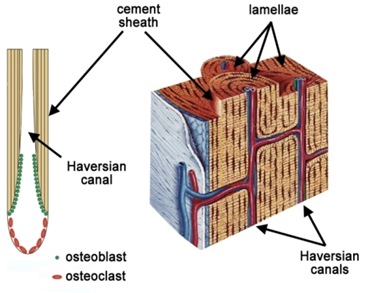
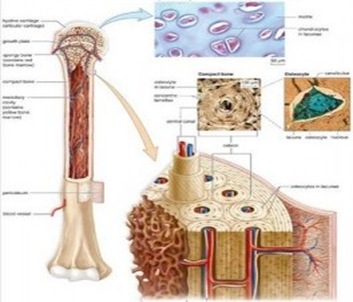
Function : These are longitudinal canals found characteristically in long bones.Haversian-canals

HEPATIC DUCT
Location: Liver of vertebrates
Function : It originates from liver cells and unites with the cystic duct from the gall bladder to form the common bile duct.hepatic-duct

HYALOID CANAL
Location: Eye of mammals
Function : It extends between optic disc and the lens.

INGUINAL CANAL
Location: Reproductive organs of male mammal.
Function : It connects abdominal cavity to scrotal cavity.inguinal-canal

LACRIMAL DUCTS
Location: Eyes of man
Function : These are two (superior and inferior) connect lacrimal gland with lacrimal sac.

LACTIFEROUS DUCTS
Location: Mammary glands of placentals
Function : These carry milk from mammary glands to the tip of

LAURER’S CANAL(LAURER STIEDA CANAL)
Location: Reproductive organs of liver fluke
Function : It is temporary copulatory canal which opens on the dorsal body surface.

LYMPHATIC DUCT RIGHT
Location: Thorax of vertebrates
Function : It is a short duct receives lymph from the right side of the head, the right upper extremity and the right side of the thorax.

MANDIBULAR CANAL
Location: Lower jaw of mammals
Function : It originates from mandibular foramen for in- ferior alveolar vessels and nerve and lies on the inner surface of each ramus.

NASOLACRIMAL DUCT
Location: Nose
Function : It connects lacrimal sac with inferior nasal meatus.

NEURENTERIC CANAL
Location: Vertebrate embryo
Function : It is a canal joining the primitive gut with the cavity of neural tube.

PANCREATIC DUCT (DUCT OF WIRSUNG)
Location: Pancreas
Function : The duct which conducts enzymes from the pancreas into the duodenum.

PAPILLARY DUCT (DUCT OF BELLINI)
Location: Kidney of mammals (part of renal tubule)
Function : These open on the tip of renal papilla and pour their contents into a minor calyx of the renal pelvis.

PAROTID DUCT (STENSON’S DUCT)
Location: Salivary gland of mammals
Function : It passes anteriorly to pour into the yes- tibule of the mouth, opposite the upper second molar tooth.

SEMICIRCULAR DUCTS (CANALS)
Location: Internal ear of vertebrates
Function : These are filled with endolymph and concerned with equilibrium.

SUBMAXILLARY DUCT(WHARTON’S DUCT)
Location: Salivary gland of mammals
Function : It extends from the anterior end of each submaxillary gland and opens into the floor of the mouth on each side of the frenulum.

THORACIC DUCT
Location: Thorax and Abdomen of mammals
Function : The chief collecting duct of lymphatic system receive lymph from lacteals. It lead towards left subclavianthoracic-duct

THYROGLOSSAL DUCT
Location: On the floor of pharynx in mammals
Function : An embryonic duct between thyroid and pharynx. it disappears in adults.

VERTEBRATERIAL CANALS
Location: Cervical vertebrae of mammals, birds and reptiles
Function : These canals are found at the base of transverse processes of cervical vertebrae for the passage of cervical blood vessels and nerves.

VOLKMANN’S CANAL
Location: Long bones of mammals
Function : These are transverse canals, connecting Haversian canals. These carry blood.

Volkmanns-canal

EXOCRINE GLANDS

IMPORTANT EXOCRINE GLANDS PRESENT IN ANIMALS - THEIR POSITION -FUNCTIONS

ACINUS GLANDS are present in Frog, rabbit, man at Skin, liver andACINUS GLANDS pancreas its function is Secretes mucus and bile in liver, Secretion helps in digestion

ALVEOLAR GLANDS are present in Mammals at Skin its function is Secretes oily secretion ,(Sebaceous gland) or milk, (Mammary gland)

APOCRINE GLANDS are present in Mammals at Skin its function is Secretion similar to mammary gland

AREOLAR GLANDS are present in Primitive mammals at Rudimentary milk gland its function is Produce slight elevations.

ACCESSORY GLANDS are present in Earthworm at 17th and 19 segments its function is Secretion help in copulation

ACCESSORY GLANDS are present in Man at Male reproductive organs its function is Activation of sperms and also as lubricant Excretion

ANTENNARY GLANDS are present in Ease of antennae at Crustaceans its function is Secretion dissolve tissue of secondary host

APICAL GLANDS are present in Apical papilla at Trematoid larva its function is Secretion lubricates vagina and uterus for

BARTHOLIN GLANDS (VESTIBULAR GLAND)(GLANDS OF DUVERNOY) are present in Female rabbit,Woman, at Reproductive tract its function is copulation

BOWMAN’S GLAND are present in Man at Olactory organs its function is Secretion keeps the olfactory epithelium moist

BRUNNERS GLANDS (DUODENAL GLANDS) are present in Rabbit and other mammals at Duodenum its function is Secrete mucus

BUCCAL GLANDS are present in Mammals at Oral Cavity its function is Secrete saliva

BULBO URETHRAL GLANDS-(COWPER’S GLANDS) are present in Male rabbit, Man, at Alongside urethra its function is Secretion lubricates urethra for semei

BLOOD GLANDS (RED GLANDS) are present in Earthworm at Either side of pharynx its function is Secretes blood corpuscles and haemoglobin

CALEIFEROUS GLAND are present in Earthworm at Stomach its function is Secrete chalky substance

CHROMOPHIL GLAND are present in Earthworm at Roof of pharynx its function is Secrete mucin and proteinase

CLITELLAR GLANDS are present in Earthworm, Leech at Clitellum its function is Secretion help in cocoon formation

CARDIAC GLANDS are present in Man at Stomach its function is Sçcretion helps in digestion

CERUMINOUS GLANDS are present in Mammals at External ear cavity its function is Secrate ear wax (cerumen).

CILIARY GLANDS-(MOLL GLANDS) are present in Man at Eye lashes its function is Secretion lubricates eye lashes

CUTANEOUS GLANDS Cutaneous glandsare present in Mammals at Skin its function is  Secretion helps in lubrication of root hair.

COLLATERAL GLANDS are present in Female cockroach at Post region of abdomen its function is Formatoin of ootheca

CONGLOBATE GLANDS-(PHALLIC GLANDS) are present in Male cockroach at -do- its function is Formation of outermost covering of spermatophore

CROP GLAND are present in Pigeon at Neck its function is Secrete pigeon’s milk

CYSTOGENOUS GLANDS are present in Liver fluke at Cercarioa larva its function is Formation of cyst

DERMAL GLANDS(SWEAT GLANDS) are present in Mammals at Skin its function is Secrete sweat

DUCTLESS GLAND(ENDOCRINE GLANDS) are present in Vertebrates at in various parts its function is Secretion called hormones

FUNDIC GLANDS are present in Mammals at Stomach its function is Secretion mucus, HCI etc.

GASTRIC GLANDS are present in Vertebrates ,specially mammals at Stomach its function is Secrete pepsin, rennin and dil. HCI

GREEN GLAND are present in crestecian at Base of antennae its function is Excretory

HARDERIAN GLANDS are present in Reptiles, birds and mammals at inner side of eyes its function is secretion lubricates nictitating membrane

HOLOCRINE GLANDS are present in Mammals at Skin its function is Entire cell alongwith contained secretory product is extruded e.g., Sebaceous glands

INFRA-ORBITAL GLANDS(SALIVARY GLANDS)(ZYGOMATIC GLANDS) are present in In some mammals but not in man at In buccal cavity below orbits its function is Secretes saliva

INGUINAL GLANDS(PERINEAL GLANDS) are present in Mammals at Reproductive organs its function is Produce odorous secretoin for sexual attraction.

INK GLANDS are present in Mollusc at Visceral mass its function is Secretion dark coloured fluid for defence by forming smoke

LACHRYMAL GLANDS(TEAR GLANDS) are present in Mammals at Eyes-upper eyelid its function is Sccrete tears

LITTRE GLANDS(URETHRAL GLANDS) are present in Man and woman at Urethra its function is

LIVER are present in Vertebrate at Abdominal cavity its function is Secretion helps in digestion, and Absorption, formation of blood and other metabolic and protective functions

LYMPH GLANDS are present in Vertebrate at Spleen, Tonsils, Peyerslymph-glands patches of the intestine its function is Produce and store lymphocytes and destroy bacteria.

MAMMARY GLANDS are present in Mammals at Thorax and abdomen its function is Secrete milk

MANTLE GLAND are present in Molluscs at In mantle its function is Secretes shell

MEHIL’S GLAND are present in Platyhelminthes at Reproductive organs its function is Secretion lubricates genital tract for passage of eggs

MEIBOMIAN GLAND are present in Mammals at In eye lashes its function is Secrete oily secretion to hold tears evenly on eye ball.

MUSHROOM GLAND are present in Male cockroach at Abdomen its function is Secretion keeps sperms active

NASAL GLAND are present in Vertebrate at In nasal epithelium its function is Secretes mucus to absorb dust particles.

OLFACTORY GLAND are present in Vertebrates at In nasal epithelium its function is Other name for nasal gland secret nasal mucas

PALATINE GLAND are present in Rabbit at Palate of oral cavity its function is secreate mucas

PAROTID GLAND are present in Mammals at Buccal cavity its functionParotid glands is It is a salivary gland which secretes mucus

PAROTOID GLAND are present in Toad at Near tympanum its function is Poison gland of toad

PECTORAL GLAND are present in Liverfiuke at Miracidium larva its function is Secretion helps larva to penetrate in the body of sheep.

PENETRATION GLAND are present in Liverfiuke at Miraciduim larva its function is Secretion helps larva to penetrate in the body of sheep.

PERINEAL GLAND are present in Rabbit at Around genital organs and anus its function is Secretes scent like secretion for sexual attraction.

PREEN GLAND are present in Birds at Base of tail its function ispreengland Secretes oily secretion to keep feathers water proof.

PROSTOMIAL GLAND are present in Leech at its function is Secretion forms ootheca

PROSTATE GLAND are present in Mammals, earthworm at Part of male reproductive organs. its function is Secretes prostatic secretion to keep sperms active.

PYLORIC GLAND are present in Mammals at Pylorie stomach its function is Secretes mainly mucus.

RED GLAND are present in Earthworm at WaIl of pharynx in earthworm its function is Forms blood

SALT GLAND are present in Mammals &‘Fishes at Skin its function is Secretes salt.

SCENT GLAND are present in Mammals at Skin around genital organs its function is Secretes scent-like substance for sexual attraction.

SEBACEOUS GLAND are present in Mammal at Skin its function is Secretes oily substance to lubricate base of hair.

SHELL GLAND are present in Platyhelminthes at Reproductive organs its function is Lubricates vagina and utreus for passage of eggs and harden the shell.

SLIME GLAND are present in Hag fish at Skin its function is Secretes mucus to keep the skin slimy.

SUDORIFIC GLAND are present in Mammal at Skin its function is Secretes sweat to cool the body.

SUBLINGUAL GLAND are present in Mammal at Below the tongue its function is It is salivary gland which secretres saliva

SUBAXILLARY GLAND are present in Mammal at Below the tongue its function is It is a salivary gland which secretes saliva.

SUBNEURAL GLAND are present in Mammal at Upper jaw its function is It is a salivary gland which secretes saliva.

SWEAT GLAND are present in Mammal at Skin its function is Secretes watery sweat to cool the body.

TARSAL GLAND are present in Prototherian at Inner side of tarsus its function is Secretes a poisonous substance for defence.

UNICELLULAR GLAND are present in at In skin and alimentary mucous epithelum its function is Secretes mucus such as globlet cell.

UTRICULAR GLAND are present in Male cockroach at Reproductive organs its function is Secretes medium for activity of sperms and forms inner wall of sperms.

more details about viviparous animals  and slowest animals

IMPORTANT FORAMEN

Foramen - Any small opening or orifice pore, or perforation is called foramen.
Foramen filum terminale - It is the opening for the terminal filament called filum terminale of spinal cord of a vertebrate.

Foramen infra orbital - It is located beneath the orbit in man. Foramen-infra-orbital
Foramen Interventricular - (foramen of Monro) It is y-shaped passage which connect the third ventricle of brain with the lateral ventricles.
Foramen intervertebral - The opening formed by the two notches of the adjacent vertebrae through which the spinal nerve makes its exit.
Foramen incisive - It is present anteriorly between the palatine processes near the incisor teeth in mammals.

Foramen ovale - An opening in the sphenoid for the passage of nerves and blood vessels.
Foramen ovale - (Embroyology) An opening in the foetal heart partition in between two artria.
Foramen obturator - A large opening in the pelvis, between the ischium and pelvis, that gives passage to vessels and nerves.
Foramen optic - It is located medially in the orbitosphenoid bone of eye orbit of vertebrate through which optic nerve and ophthalmic artery passes.
Foramen Lecerum aflerius - Present in the mammalian cranium between the orbito sphenoid and alisphenoid bones making a passage for the occulomotor, trochlear and abducens nerves and the ophthalmic branch of the thgeminal nerve.

Foramen Lacerum medium - An opening in the mammalian skull for the passage of the internal carotid artery between the basisphenoid bone and the tympanic bulla.
Foramen lacerum Posters - An opening in the mammalian skull between the periotic and the exoccipital bones for the passage of the glossopharyngeal, vagus; spinal accessory nerves and the internal jugular vein.
Foramina of Luschka - These are two openings on the lateral side of roof of the fourth ventricle of mammalian brain, for communicating with the subarachnoid spaces of meninges.
Foramen ofMagnedie - The median aperture of the fourth ventricle of brain.
Foramen magnum - A large oval opening in the occipital bone at the base of cranium that allows passage of the spinal cord, accessory nerves and vertebral arteries. ,
Foramen nutrient - It is present in the tibio fibula bone of frog provides passage for artery.
Foramen premium - It is a temporary interatrial opening
Foramen ofpanizzae - A small opening connecting the two systemic aortae of crocodile or any other reptile resembling the crocodile. It is situated at a point just beyond the semilunar valves where the two aortic arches cross each other.

Foramen of Winslow - (Epiploic foramen) An aperture of peritoneal cavity formed by fold of the peritoneum and located between given area and stomach
Foramen rotundum - An opening in the sphenoid bone of mammalian skull through which the maxillary branch of the trigeminal nerve emerges from the brain.
Foramen spinosum - Opening in the sphenoid bone of mammalian skull
Foramen supraorbital - An opening in the supraorbital margin and beneath the eye brow of the mammalian skull, it transmits the supraorbital nerve and blood vessels.
Foramen of triosseum - An opening enclosed by the scapula, clavicle and coracoid of a bird at the point where these three bones meet. The tendon of the minor pectoral muscle, which raises these three bones meet. The tendon of the minor pectoral muscle, which raises the wing, passes through this opening.
Foramen vertebral - The central large opening of each vertebra of vertebrates in which lies the spinal cord.

Know more about Exocrine glands in animals and famous biology books and authors